



What are the Zones of Regulation?
The Zones of Regulation is an approach that helps children to understand and manage their emotions. It supports pupils to recognise how they are feeling, understand that all feelings are normal, and develop strategies to regulate their emotions and behaviour so they are ready to learn and interact positively with others. The zones are organised into four colours to help children identify different emotional states: the Blue Zone describes feelings such as sad, tired or unwell; the Green Zone describes feeling calm, happy, focused and ready to learn; the Yellow Zone describes feelings such as worried, excited, frustrated or silly; and the Red Zone describes feelings such as angry, overwhelmed or very upset.
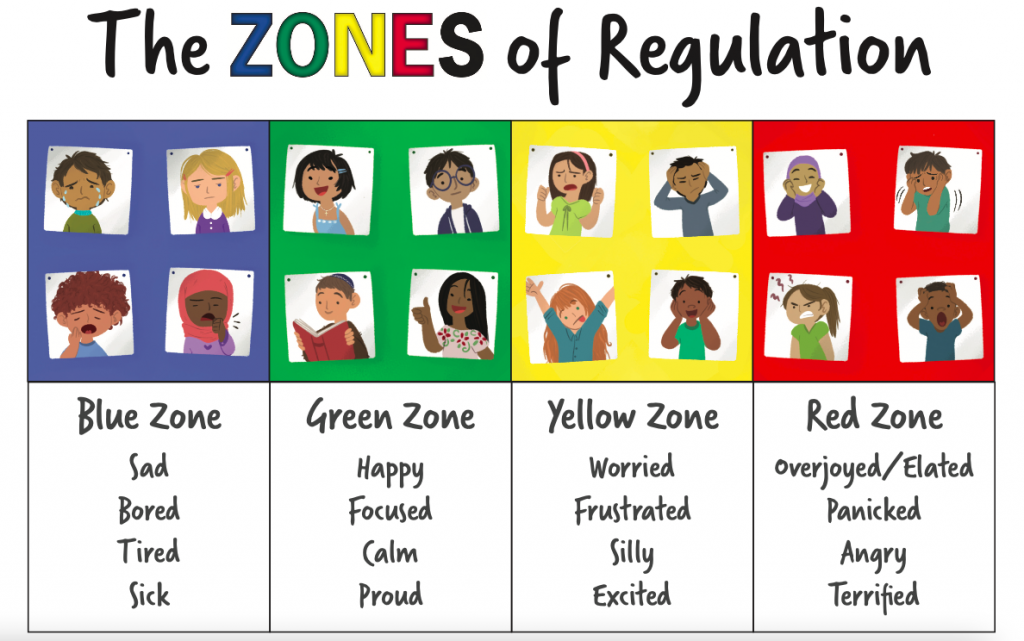
Why this is important for pupils at St Mary’s At St Mary’s we believe that emotional regulation is a key part of wellbeing, learning and positive relationships. By teaching the Zones of Regulation, we aim to help pupils recognise and name their emotions, understand how their feelings can influence their behaviour, develop strategies to regulate their emotions, build resilience and independence, and feel safe, supported and ready to learn. The Zones approach supports all pupils and can be particularly helpful for children who may find emotions, transitions or sensory experiences more challenging.
Key principles of the Zones of Regulation Children are taught some important messages when learning about the Zones of Regulation. There is no “bad” zone and all feelings are normal. Everyone experiences all of the zones at different times and in different circumstances. We cannot always change how we feel, but we can learn strategies to help manage our feelings, states and behaviours. Children may also experience more than one feeling at the same time, for example feeling both sad and angry.
Strategies children learn Through the Zones of Regulation, pupils learn a range of strategies to help them regulate their emotions and return to a state where they are ready to learn. These may include breathing and calming techniques, movement or sensory breaks, using fiddle tools to support focus, accessing calm spaces within the classroom, positive self-talk, problem solving or speaking to a trusted adult. Staff support pupils to identify the zone they are in and choose strategies that work best for them.
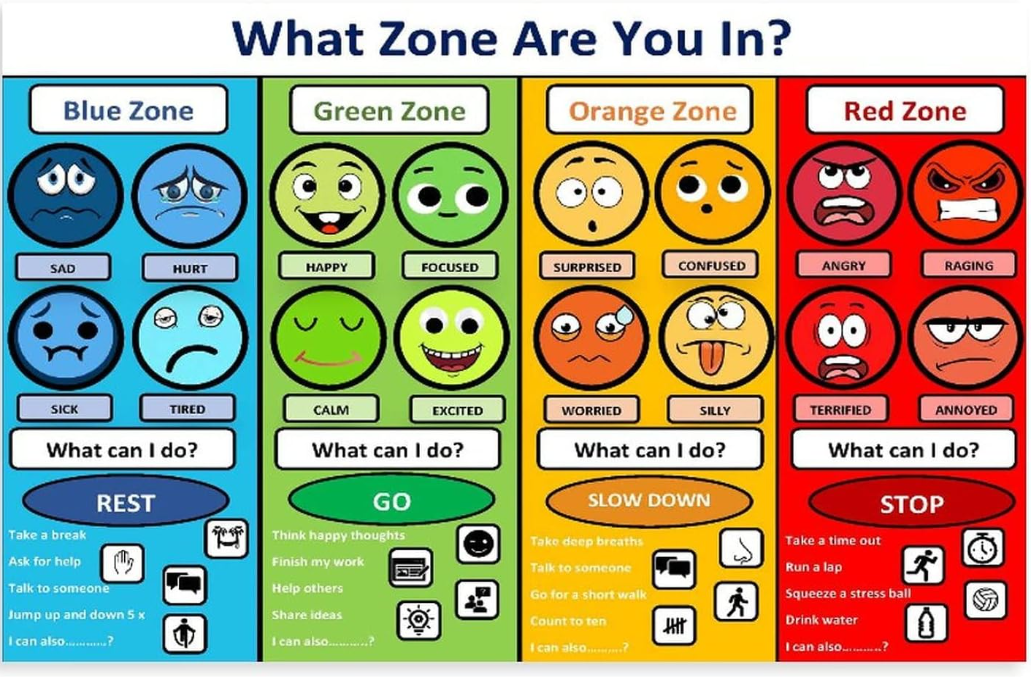
How to support at home Parents and carers can support their child’s emotional development by using similar language and strategies at home. This might include talking about feelings using the zones language, encouraging children to name and describe how they feel, helping them think about strategies that help them feel calm, modelling positive ways to manage emotions and praising children when they use strategies independently.
At St Mary’s we believe that developing emotional awareness and regulation is an important life skill. By teaching the Zones of Regulation, we support children to understand themselves, develop resilience and build strategies that will help them both in school and beyond.